

Aardman, Pokémon and a viral sheep: what brands can learn about character animation in 2026
20 November 2026
Current news (as of 20 November 2026)
A stop-motion studio working on someone else's brand
Aardman, the British studio behind Wallace & Gromit and Shaun the Sheep, spoke this week about a project that is unusual for it: a series built on characters it does not own.
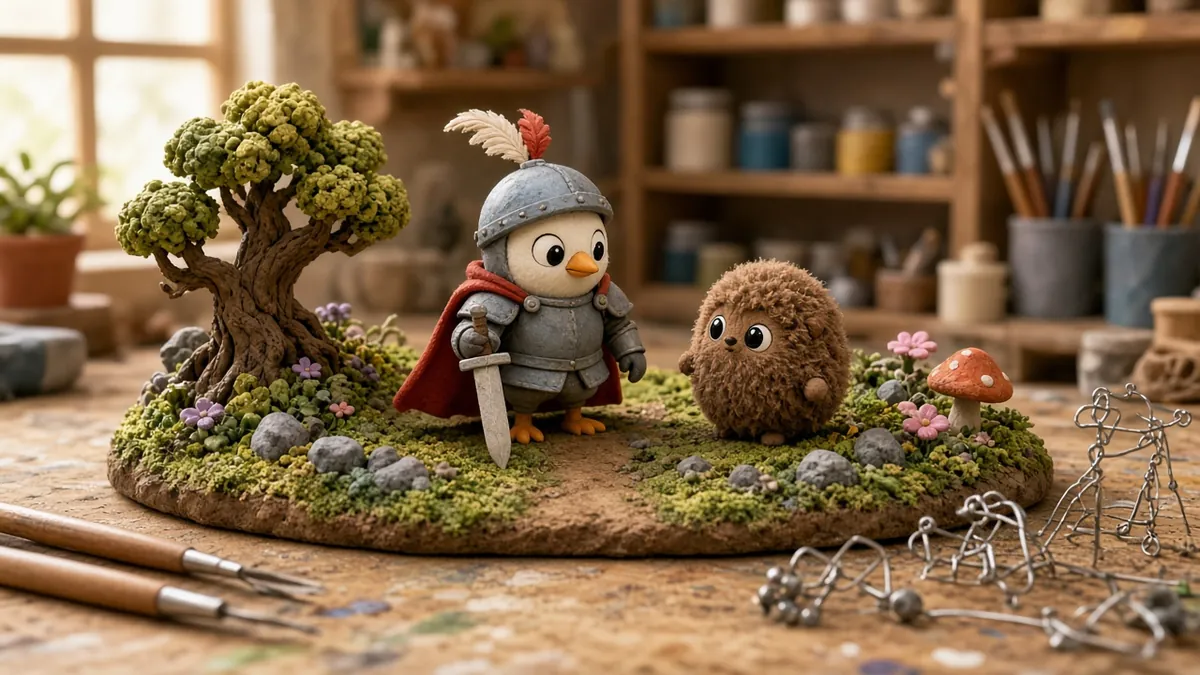
Pokémon Tales: The Misadventures of Sirfetch'd & Pichu is a stop-motion comedy-adventure series made by Aardman for The Pokémon Company International. Disney announced in August that it will debut on Disney XD and stream exclusively on Disney+ worldwide in 2027. The story follows two Pokémon, Sirfetch'd and Pichu, on a quest to help and protect Pokémon across the Galar region.
Speaking at the British Screen Forum Conference in London on 19 November, Aardman's creative chief Sarah Cox said The Pokémon Company first approached the studio at the Annecy International Animation Film Festival. Deadline reports that it is Aardman's first time taking its stop-motion approach to a third-party brand, and that Pokémon gave the studio a free hand with the characters.
Cox said the first conversation "was not about the project or animation, it was about our values." She described what both sides wanted as "strong characters, strong humor and a commitment to the quality of what we do."
Why a 50-year-old studio is doing this now
Aardman managing director Sean Clarke was frank about the business reasons. According to Deadline, he said "taking on other people's brands" will help the employee-owned studio navigate a struggling independent production market, especially as it only releases a Wallace & Gromit film every five years or so.
He also pointed to how hard it is to fund original work. Clarke said that when studios go to market to raise money "it's all prequels, sequels and remakes," and said there were zero independent British animations launched last year, compared with around 10 in France and 15 in Germany.
Short social clips as a testing ground
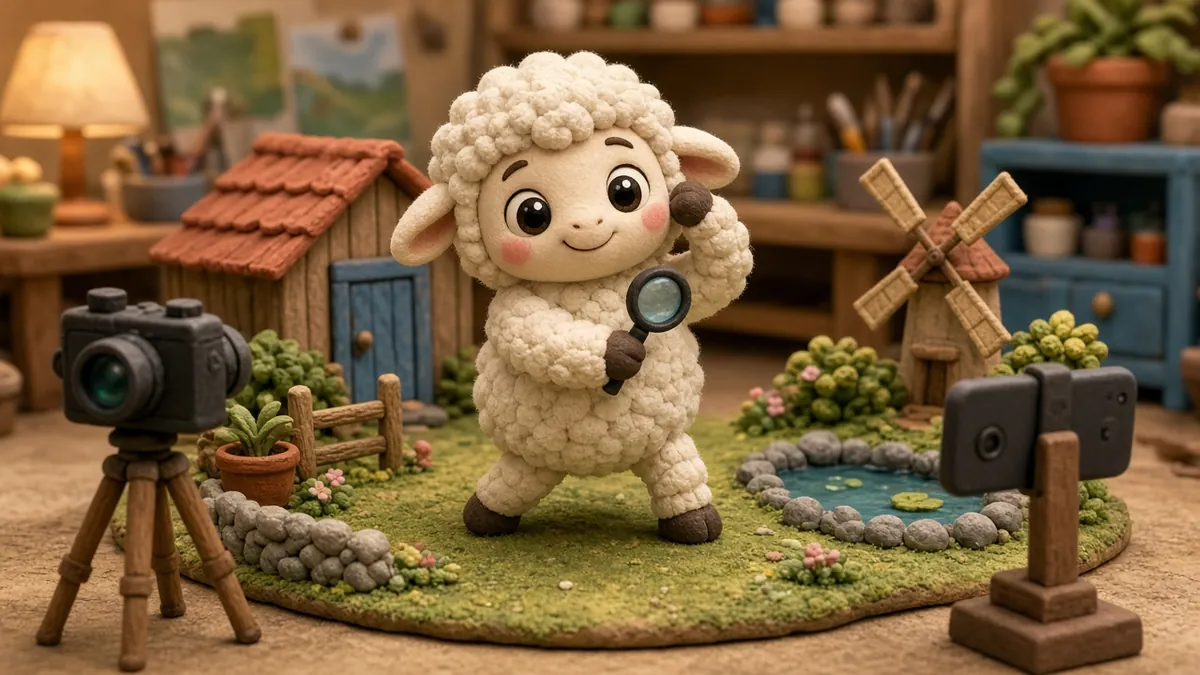
The second part of Aardman's plan is social video. Earlier this week a short Shaun the Sheep clip parodying the newly announced James Bond casting reveal went viral, Deadline reports; ComingSoon.net covered the parody on 17 November.
Clarke told the conference he hopes that within three years Aardman will have "launched new characters doing funny things on TikTok so we can then go to market." In other words, short-form clips are being used to test characters with real audiences before larger investment is sought.
Two different answers on AI
Aardman is cautious about generative AI. "When I look at AI it all looks the same because it's learning from stuff that already exists," Clarke said. "Why would we want to change what we do?"
On the same day, Deadline reported a different approach from Utopai Studios, an AI company that has opened an office in Beverly Hills and is building a slate of animated and live-action projects. It is targeting 500 production jobs globally in 2027. For its animated feature The Most Serious Fart, based on Mike Bender's children's book, Utopai says about 80% of the production budget goes to the people making the film, with AI used as a supporting tool.
Neither model is the only right one. But together they show that "AI or no AI" is now a decision studios make openly, and one clients can ask about.
What this means if you commission character animation
- Start with character, not technique. Aardman's Pokémon talks began with values and what the characters should feel like. Before choosing 2D, 3D or stop-motion, write down your mascot's personality, voice and limits.
- Brief for a series, not a single film. A character that works in a 60-second brand film should also work in 10-second social clips. Ask for a small set of poses, expressions and short gags as part of the scope.
- Plan for speed on social. Topical clips only work if they are made quickly. Agree in advance who approves short social pieces and how fast, so they can go out while a moment is still relevant.
- Ask how AI is used, in writing. Whether a studio avoids generative AI or uses it as a support tool, ask where it appears in the pipeline, how originality is protected and what you can tell your audience.
- Be clear on ownership. Aardman works on Pokémon's characters under an agreement with their owner. For your own mascot, agree who owns the character design, source files and future reuse rights before production starts.
The short version
Aardman is using a licensed brand series and quick social shorts to keep doing distinctive handmade work, while openly avoiding AI look-alikes. Utopai is betting on AI as a support tool with most of the budget still spent on people. For brands, the lesson is the same either way: strong, well-defined characters and a clear, honest production process matter more than any single tool.
Sources
- Deadline, "How A 'Mysterious' Message Kickstarted Aardman's Gamechanging Pact With Pokémon" (19 November 2026)
- Disney+ Press, "Disney+ Announces Global Distribution Deal With The Pokémon Company International" (28 August 2026)
- Aardman, "Exclusive Teaser Trailer Revealed for 'Pokémon Tales: The Misadventures of Sirfetch'd & Pichu'" (August 2026)
- ComingSoon.net, "Shaun the Sheep Puts a Hilarious Spin on Robert Pattinson's James Bond Reveal" (17 November 2026)
- Deadline, "Utopai Studios Opens Beverly Hills Office, Targets 500 Production Jobs Globally In 2027" (19 November 2026)