

10 things to know before you meet a 3D printing company
10 November 2026
Guide · Updated 10 November 2026
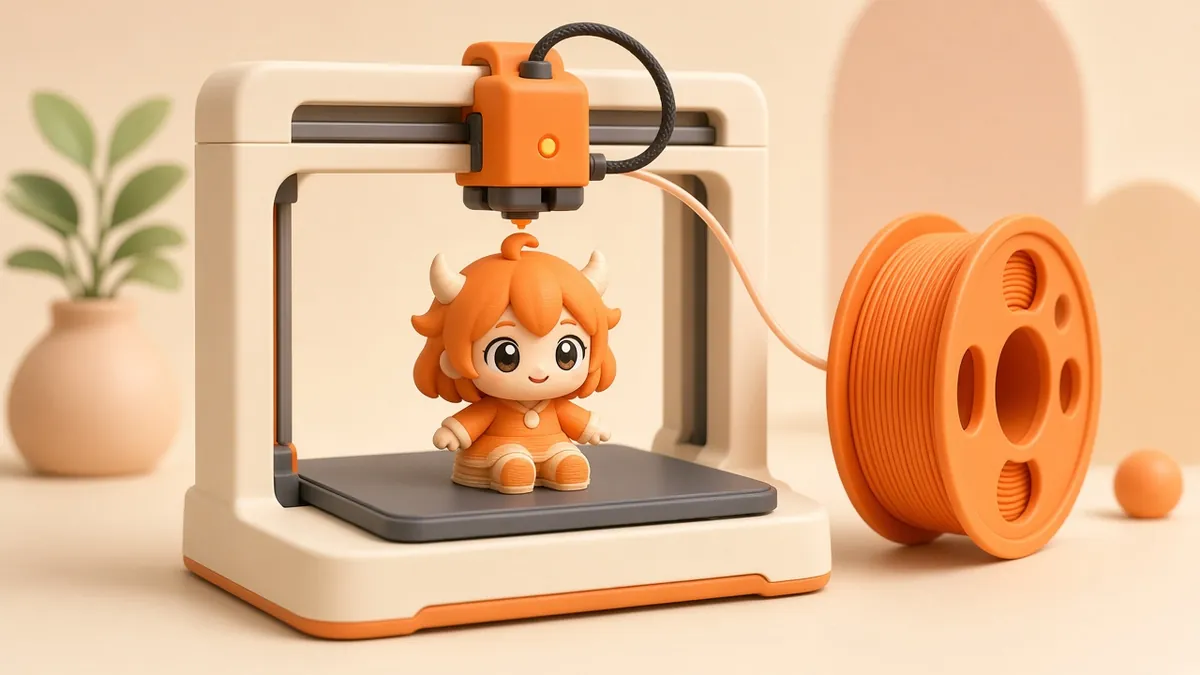
3D printing, also called additive manufacturing, builds a part layer by layer from a digital model. It is excellent for prototypes, small batches, display models and complex shapes. A little preparation before you contact a print bureau saves money and avoids surprises.
1. "3D printing" is several different processes
The international vocabulary standard ISO/ASTM 52900 groups additive manufacturing into seven process categories, including material extrusion, vat photopolymerisation and powder bed fusion. In practice you will mostly hear about three:
- FDM/FFF (material extrusion): melted plastic filament laid down in lines. Affordable and fast, with visible layer lines.
- SLA/DLP (vat photopolymerisation): liquid resin cured by light. Very fine detail and smooth surfaces, good for figurines and display models.
- SLS and other powder bed processes: powder fused by a laser. Strong, functional parts without support structures.
2. Know what the part is for
A presentation model, a working prototype and an end-use part need different processes and materials. Tell the company how the part will be used: will it be handled, painted, exposed to heat or sunlight, or snapped together with other parts?
3. Materials change everything
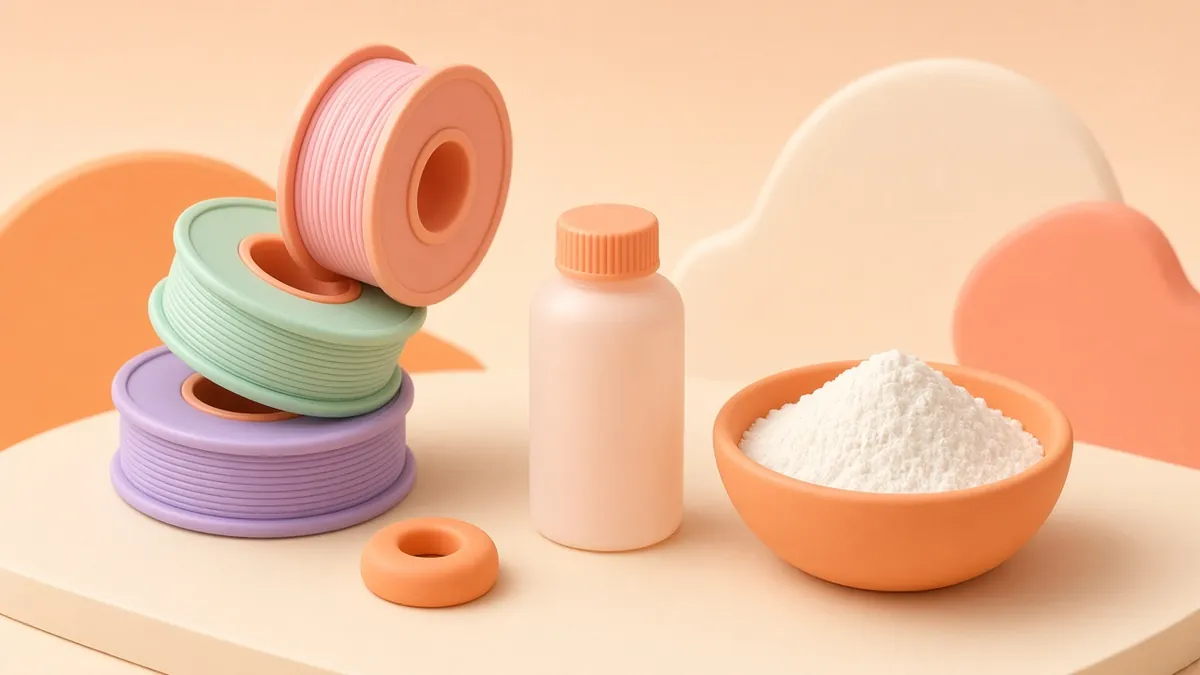
Common choices include PLA (easy to print, but softens at relatively low temperatures), PETG and ABS for tougher plastic parts, nylon for durable functional parts, and a wide range of resins for detailed models. Ask for the material's data sheet if strength, heat or skin contact matters.
4. Bring a print-ready file
STL is the most widely accepted format, but it only stores surface triangles, with no units, colour or material information. The newer 3MF format can carry units, colours and materials in one file. Whatever the format, the model should be "watertight" (a closed volume), have consistent normals and no overlapping or zero-thickness surfaces.
5. Animation models are not automatically printable
A character built for animation may have open meshes, very thin parts, intersecting pieces and textures instead of real detail. Converting it for print usually means merging parts, thickening thin areas, adding real surface detail and sometimes cutting it into pieces that can be assembled. Budget time for this step.
6. Ask about minimum wall thickness and detail
Every process and material has limits for the thinnest wall and smallest detail it can produce reliably. Ask for these numbers before you finalise the design, especially for fingers, hair, text and logos.
7. Agree tolerances for parts that fit together
If parts must slide, snap or screw together, tell the company and ask what dimensional accuracy they can hold. Printing a small test piece first is often cheaper than reprinting a full assembly.
8. Supports and finishing take time
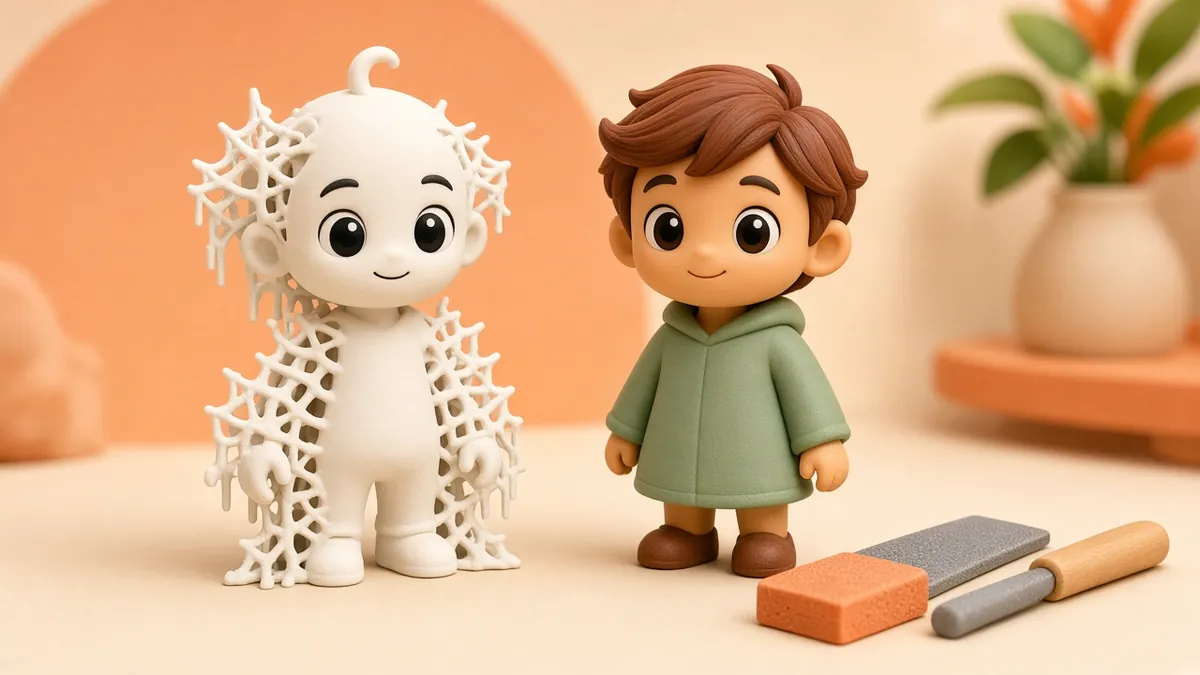
Overhangs usually need support structures that are removed after printing and can leave marks. Sanding, priming, painting, polishing or vapour smoothing can transform the look, but they add cost and days to the schedule. Ask what "finished" means in the quote.
9. Understand how the quote is built
Price usually depends on material volume, print time, machine type, orientation, supports and post-processing. Hollowing a large solid model (with drain holes for resin) can cut material cost significantly. Ask for the quote to be itemised so you can see where savings are possible.
10. Protect your design
Your model files are intellectual property. Ask how files are stored and who can access them, and sign a simple non-disclosure agreement for unreleased products.
Bonus: have a backup plan for deadlines
Failed prints happen. If the part is needed for an event or a launch, ask the company how much buffer they build into the schedule and whether they can run the job on more than one machine.
How we can help
If you need a concept or a character turned into a clean 3D model before it goes to your chosen print service, talk to us about 3D modelling. See our services or contact us.